
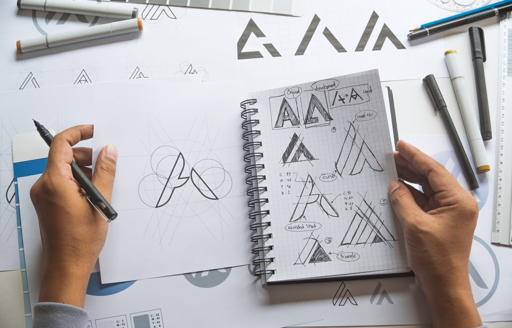
Business personality needs to be recognisable in use, not only in a polished logo presentation. Brand designers in Glasgow should discuss the audience, offer and practical applications before choosing visual directions. These five businesses publish relevant Glasgow or Greater Glasgow services. Their numbering is unranked and does not predict commercial results. Ask what the assignment delivers and how the team will use it after handover rather than treating a new symbol as the whole identity.
List where customers encounter the business and what currently feels inconsistent. References from Profits Entries Review can stay with commercial research, while the designer needs actual materials and decisions. A preference for a friendlier appearance is useful, but it needs to relate to an audience and an offer rather than become a substitute for the brief.
1. Rydo
Rydo publishes a Glasgow graphic-design consultancy working across branding, visual identity, positioning and copywriting. Its described rollout covers traditional and digital media. This makes it a relevant enquiry when the visual work must connect with how the business expresses itself. Ask whether the proposed assignment includes strategic decisions or begins from an approved positioning brief. Confirm the applications and wording included, so a broad capability in communication does not become an assumption that every campaign, page or printed item belongs in the initial fee.
2. Everything Will Be Fine
Everything Will Be Fine publishes a Glasgow studio at SWG3 on Eastvale Place, led by Kerr Vernon. Its services include identity, packaging and digital design for businesses and cultural organisations. Ask how the actual project connects with your operating context rather than choosing only from a portfolio’s aesthetic. If packaging is included, define the formats and production responsibilities. A studio offering identity and packaging can discuss both, but the proposal should distinguish the core system from each application that needs separate design and approval.
Imagine a Glasgow company that wants an approachable identity but issues proposals customers find difficult to navigate. A colour change alone may leave that experience intact. Notes from Growth Hubs Now Review can inform the broader business discussion, while the design brief should identify actual customer materials and the difference the new work is expected to make.
3. Stand
Stand publishes a Glasgow studio on St Vincent Place and a practice covering brand strategy, visual and verbal identity, guidelines and implementation. Its described work includes stakeholder workshops and interviews. That makes it worth asking how discovery is scoped and who participates. If several decision-makers need to agree, identify them before the process begins. Request the approval stages and outputs, rather than assume a workshop automatically resolves every internal disagreement or that a full set of applications is included whenever the agency develops a new identity.
4. G3 Creative
G3 Creative publishes a Clydebank address in Greater Glasgow and services involving logos, identities and printed communications. This is a regional option rather than a Glasgow-city studio address. Ask where consultations take place and how the proposed package meets your particular requirements. If the business needs brochures or other print work, request those outputs separately in the scope. A branding service should identify what is created, how it is supplied and what remains a later production assignment rather than rely on the breadth of a general portfolio.
Think of the identity as a set of visual rules your colleagues must apply, not one finished picture. Reading from Margin Unleashed Review may prompt questions about the business, while the designer should explain the actual working assets. Ask what a non-designer can update and which uses need further professional work instead of assuming a logo file makes every application straightforward.
5. Bold Studio
Bold Studio is listed as a Glasgow design and social-enterprise practice with branding and logo work among its services. Its directory presence gives another local enquiry option, while the current delivery team and scope should be confirmed directly. Ask for examples relevant to the audience and task rather than treating a general service category as proof of fit. Explain which existing elements should remain recognisable. A project should distinguish purposeful continuity from change instead of assuming a new identity requires discarding everything customers already know.
A practical comparison rule is to request the same core outputs from each designer. Keep references from Influence Refined Review with wider communication ideas, while the agreement identifies strategy, identity and rollout separately. Ask whether launch materials or promotional support are included rather than infer them from the fact that a new identity eventually needs to reach an audience.
Questions before a Glasgow brand-design enquiry
Should I show examples I like?
Yes, with an explanation of the useful qualities. Keep them as references rather than instructions to imitate another business’s identity.
Who owns the files and rights?
Agree the actual licence, ownership and handover terms, including fonts, images and source files, before assuming unrestricted future use.
Does visual design include changing the name?
Only if agreed. Naming and any required clearance should be discussed separately rather than inferred from the branding label.
How should feedback be organised?
Identify an authorised decision-maker and approval stages so the work is reviewed against the brief rather than conflicting informal preferences.
Commission an identity in actual use
Describe the audience, offer and applications that matter first. Request a Glasgow-serving designer’s scoped proposal and compare decisions, assets and rollout work separately. Agree rights and approvals before the first direction becomes a larger implementation project, with usable guidance included where the team needs it.