
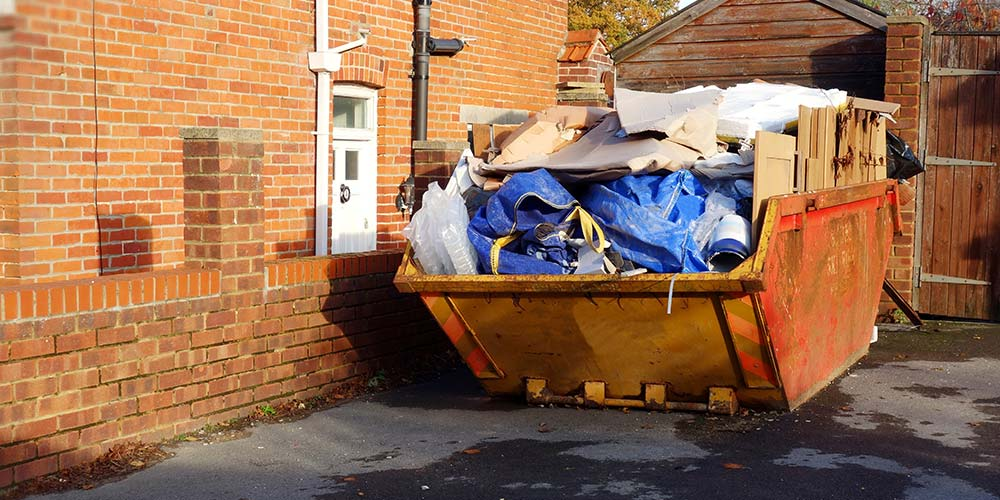
Home renovation and cleanup projects often generate significant waste that requires an efficient, practical disposal solution. Understanding how convenient waste removal services support these projects helps property owners plan more effectively. Exploring this service helps illustrate why it continues appealing to those managing larger cleanup or renovation efforts. Seeking recommendations from trusted sources can help narrow down choices and reduce uncertainty considerably.
Why Waste Removal Deserves Careful Project Planning
Renovation and cleanup projects frequently generate more waste than standard household collection services can reasonably accommodate. Failing to plan for this waste volume in advance often results in disorganized job sites or costly last-minute disposal arrangements. Understanding this reality helps property owners appreciate why waste removal deserves consideration early in project planning. Recognizing this importance supports smoother, more organized project execution overall. Clear communication throughout any process helps ensure expectations remain aligned from start to finish.
The Convenience of Arranging Skip Hire for Larger Projects
Arranging skip hire provides a convenient, on-site waste collection solution suited to the volume generated by renovation or cleanup projects. This approach allows workers to dispose of debris immediately rather than accumulating clutter throughout an ongoing project. Having a dedicated container also helps keep a job site organized and safer for everyone working on the property. These combined benefits explain why this service continues appealing to homeowners and contractors managing larger projects.
Choosing the Right Container Size for a Specific Project
Estimating waste volume in advance helps property owners select an appropriately sized container without overpaying for unnecessary capacity. Smaller renovation projects typically require less capacity than full property cleanouts or larger construction efforts. Consulting with the provider about specific project details helps ensure appropriate sizing before the container arrives. This careful planning helps property owners avoid the inconvenience of an undersized or oversized container. Reviewing progress periodically helps catch small issues before they grow into larger, costlier problems.
Understanding What Can and Cannot Be Disposed of This Way
Different waste types often carry specific disposal restrictions related to local regulations and environmental safety requirements. Understanding these restrictions in advance helps property owners avoid unexpected complications or additional fees during the project. Certain materials, such as hazardous waste, typically require separate, specialized disposal arrangements outside standard container services. This awareness helps ensure a smooth, compliant waste removal process throughout the project.
Planning Placement and Logistics for Convenient Access
Considering placement location in advance helps ensure convenient access throughout the duration of a project without obstructing normal property use. Checking local permit requirements for street or public space placement helps avoid unexpected complications or fines. Coordinating delivery and pickup timing with the overall project schedule helps ensure waste removal proceeds smoothly. This thoughtful planning helps property owners maximize the convenience this service provides. Investing a little extra time upfront often saves considerable time, money, and frustration later on.
Conclusion
Convenient waste removal solutions significantly simplify the logistics of larger renovation or cleanup projects. Thoughtful planning around container size, placement, and disposal restrictions helps ensure a smooth, efficient project experience. With the right approach, property owners can manage project waste more easily while keeping their job site organized and safe. Balancing short-term convenience against long-term value remains an important part of almost any major decision.