In many modern industries, choosing the right materials is very important for performance, durability, and cost control. One of the most trusted materials used today is tungsten carbide. It is known for its extreme hardness, wear resistance, and long service life. Because of these qualities, it is widely used in tools, machinery parts, cutting equipment, and heavy-duty industrial applications. However, selecting the right tungsten carbide components is not always simple. It depends on your working conditions, performance needs, and budget. This article explains in simple terms how you can make the right choice for your industrial use.
Understanding What Tungsten Carbide Is
Before selecting components, it is important to understand the material itself. Tungsten carbide is a compound made from tungsten and carbon atoms. It is much harder than steel and can handle high pressure and temperature. This makes it ideal for industries like mining, construction, oil and gas, and manufacturing.
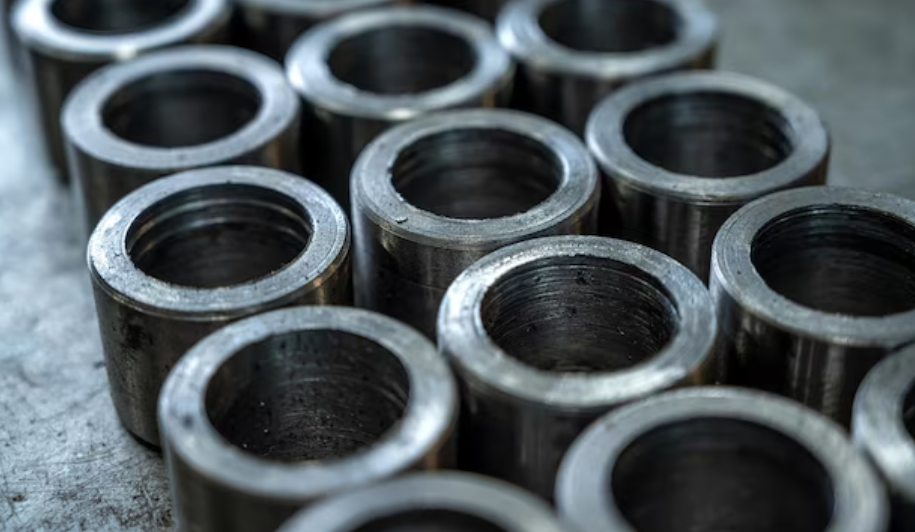
Because of its strength, tungsten carbide is often used in cutting tools, drill bits, dies, and wear-resistant parts. It is designed to last longer than traditional metals, which reduces downtime and replacement costs in industrial operations.
Identifying Your Industrial Application Needs
Every industry uses tungsten carbide in different ways, so the first step is to clearly define your needs. If your work involves cutting or drilling hard materials, you will need components with very high hardness and edge strength. On the other hand, if your application involves friction and constant movement, wear resistance becomes more important.
For example, in mining operations, tungsten carbide tools must withstand rock abrasion. In manufacturing, precision and smooth performance are more important. Understanding your application helps you choose the right grade and shape of tungsten carbide components.
Considering the Grade and Composition
Not all tungsten carbide products are the same. They come in different grades depending on the ratio of tungsten carbide particles and binding materials like cobalt. A higher cobalt content usually provides more toughness, while lower cobalt content increases hardness.
When selecting tungsten carbide components, it is important to balance hardness and toughness. If the material is too hard, it may become brittle. If it is too tough, it may wear out faster. Choosing the right grade ensures better performance and longer service life in your industrial operations.
Evaluating Wear Resistance and Durability
One of the biggest advantages of tungsten carbide is its wear resistance. However, different components still offer different levels of durability depending on their manufacturing quality and coating.
In high-friction environments, such as drilling or grinding, you should choose tungsten carbide components designed specifically for abrasion resistance. High-quality products reduce maintenance needs and help keep machines running efficiently for longer periods. This also helps reduce overall production costs in the long term.
Matching Component Design with Machinery Requirements
Even the strongest material will not perform well if it does not fit properly into your system. That is why the design and shape of tungsten carbide components are very important.
You should always ensure that the size, shape, and tolerance levels match your machinery requirements. Custom-designed tungsten carbide parts are often used in industries where precision is critical. Proper fitting improves performance and prevents unnecessary wear or damage to both the component and the machine.
Conclusion
Selecting the right tungsten carbide components is an important decision for any industrial operation. By understanding the material, identifying your application needs, choosing the right grade, and focusing on durability and design, you can ensure better performance and long-term value. Since tungsten carbide is known for its strength and reliability, making the right selection will help improve efficiency, reduce downtime, and lower maintenance costs in the long run.